



AIFs Over Mutual Funds for NRIs
Written by: Diksha Kalra
Published: Sep 16, 2026
Updated: Sep 16, 2026
8 min read
Until recently, NRI portfolios have traditionally adhered to the same script, real estate as the haven and mutual funds as the engine of growth. However, in the year 2025-2026, this paradigm is set to change dramatically.
Alternative investments are no longer just add-on options but are fast emerging as the major determinants of NRI portfolios.
This change is driven by the support of rapid institutionalisation, regulation, and high returns. The numbers tell the story of the explosive growth of the alternative investment sector. The Alternative Investment Fund (AIF) sector in India is at the cusp of significant change.
The total commitments to AIFs stand at ₹15.84 lakh crore as of March 2025, with a compound annual growth rate (CAGR) of 31.5% over the five years from FY21 to FY25.
The combined market size of the PMS and AIF sector stands at over ₹23 lakh crore.
The number of Alternative Investment Funds registered with SEBI stands at over 1,800.
What is more significant is the rate at which the sector is growing.
The Category II AIFs, which include private equity, private credit, and real assets, have seen commitments of over ₹11.2 lakh crore.
This segment is growing at over 50% long-term CAGR.
Powered by Froala Editor
NRIs are not just the end investors but also the key enablers of the change.
Global Capital, India Growth
NRIs receive their income in USD, AED, or GBP but invest in India, which is one of the fastest-growing large economies in the world.
Alternative investments enable them to access:
Pre-IPO companies
Private credit opportunities
Infrastructure and real asset plays
This is the growth before the IPO.
Declining Efficiency of Traditional Assets
Traditional asset allocation is not as efficient as before:
Real estate rental returns are low at 2–4% in metro cities
Equity markets are becoming increasingly efficient, hence lower alpha
Taxation is eating into debt returns
Alternatives provide what traditional assets cannot:
Illiquidity premium
Strategy returns
Private market access
Institutional Confidence Is Rising
Data is showing a clear trend of increased participation by domestic and institutional investors:
Domestic investors now contribute 52.7% of the capital invested in AIFs
Government schemes, like the ₹1 trillion innovation fund, are boosting confidence
SEBI is making efforts to ease the entry of AIF investors
For NRIs, this means that the risk is lower, hence the confidence is higher.
Powered by Froala Editor
The biggest myth about alternative investments is that they are just diversification tools, which is now being debunked:
AIFs have delivered 24% returns, which is much better than the returns of the overall market
In May 2025, 128 out of 133 AIFs delivered positive returns
The best-performing AIFs have delivered 20–25% returns annually
Alternatives are now:
Not just diversification tools, but the main source of returns. Link
The New NRI Portfolio Model
NRIs are moving from an asset allocation model to a strategy allocation model:
Traditional Allocation
40–60% Real Estate
20–40% Mutual Funds
10–20% Fixed Income
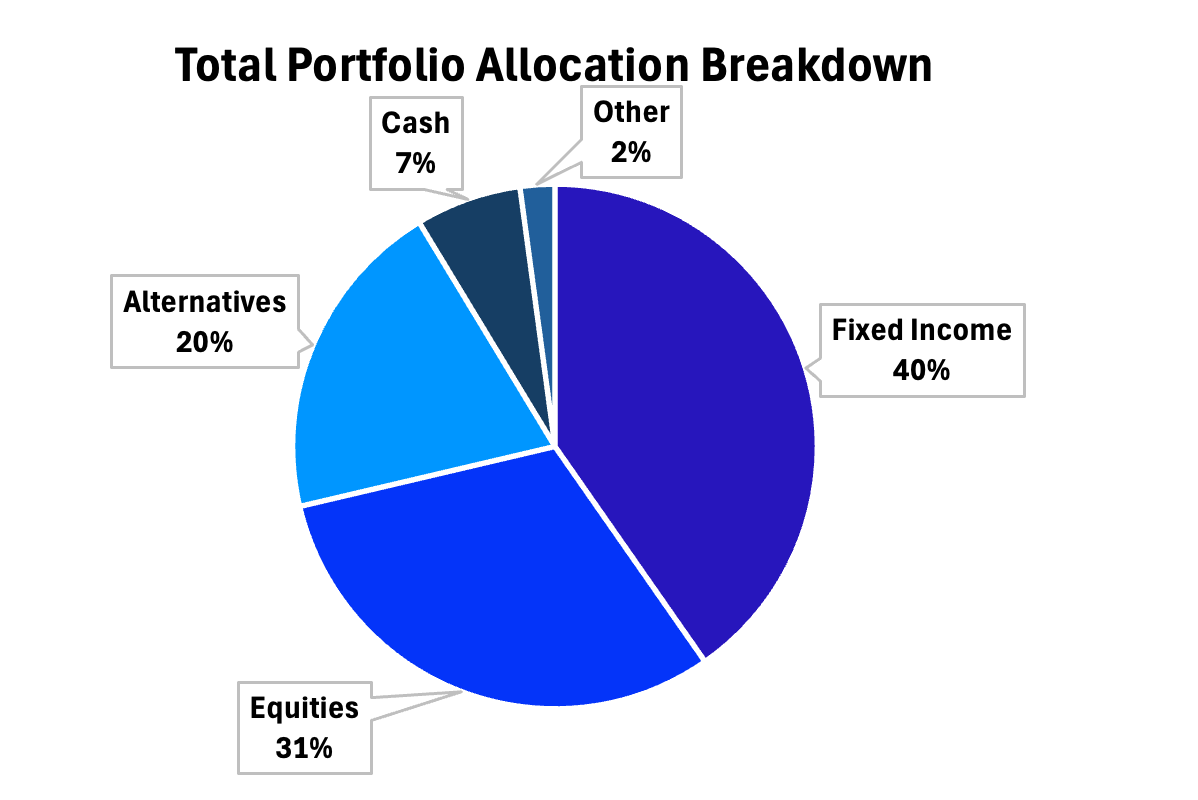
Emerging Allocation Model (2026 Trend)
25–35% Public Equities
20–30% Real Estate, with an increasing focus on REITs/InvITs
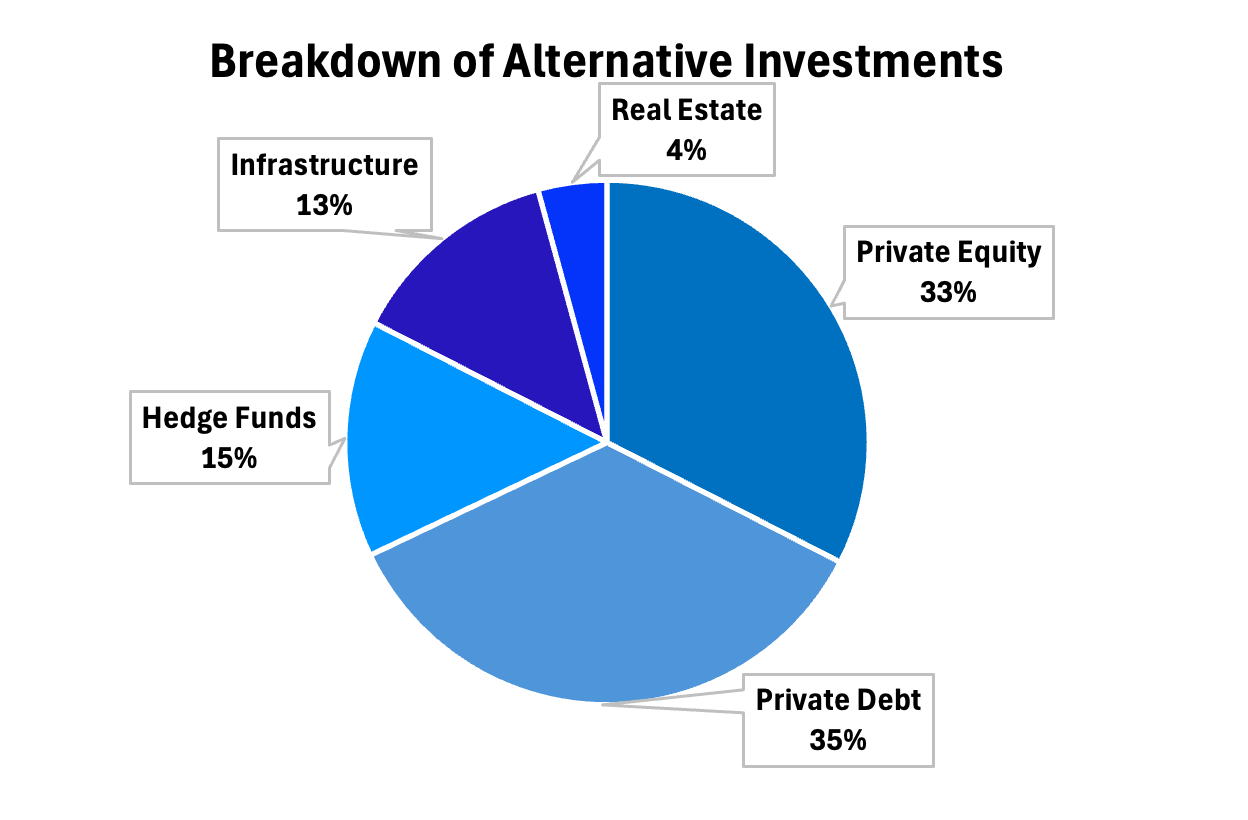
20–40% Alternatives, comprising AIFs, private equity, private credit, etc.
10–15% Global Diversification
This is a multi-layered portfolio, similar to what an institution would have.
Powered by Froala Editor
Private Equity & Venture Capital
The Indian startup and growth story continues to attract global capital. Category I AIF venture capital investments alone run into tens of thousands of crores annually. NRIs are increasingly participating in pre-IPO deals and late-stage growth funding.
This gives them access to:
IPO pipelines.
High-growth sectors like fintech, manufacturing, and AI.
Private Credit: The Silent Boom
Private credit is emerging as one of the most attractive alternatives. Why? India’s private credit market is already $25–30 billion in size. Global investors are committing billions to this space.
Why NRIs like private credit:
Target returns of 12–18%.
Structured downside protection.
Lower volatility compared to equity.
Real Assets through REITs & AIFs
Instead of apartments, NRIs are increasingly looking at:
Commercial real estate.
Yield-generating assets.
Infrastructure-backed investments.
India received $8.5 billion of institutional real estate inflows in 2025, a record high.
This suggests a preference for:
Yield + scale + management.
Hedge Strategies & Category III AIFs
This gives them access to:
Market-neutral strategies.
Arbitrage and long-short.
Category III AIF commitments are in the ₹2.5–3 lakh crore range.
Why this is attractive to sophisticated NRIs:
Low correlation.
Absolute return focus.
Behavioural Shift: From Ownership to Allocation
The biggest change is psychological.
Earlier:
Buy property.
Hold stocks.
Fixed deposits.
Now:
Allocate to strategies.
Invest via fund managers.
Focus on Portfolio Construction
This is in line with global trends, where alternatives are an integral part of HNI portfolios.
Powered by Froala Editor
While alternatives have delivered impressive returns, there are underlying risks:
Illiquidity
Lock-ins: 5-10 years
Manager Selection Risk
Returns vary greatly across funds. Manager quality is paramount.
Transparency
Reporting is less regular than in the case of mutual funds
High Entry Barrier
Minimum investment amount:
Usually ₹1 crore in each AIF
Why This Shift is Structural
Three structural factors ensure this is not a cyclical phenomenon:
1. Financialisation of Wealth
India is shifting away from physical assets and towards financial assets. Alternatives are the next layer of financialisation.
2. Institutional Capital is Entering
Pension funds, insurance companies, and global asset managers are increasing their allocations
Regulatory changes are unlocking large amounts of capital
3. India’s Growth Story is Private-Led
Most of India’s value creation is in:
Start-ups
Mid-market companies
Private infrastructure
Public markets only reflect the last leg of value creation.
Alternatives allow NRIs to benefit at an early stage.
The Bottom Line
Alternatives are no longer a choice; they are becoming an essential part of NRI portfolios.
The numbers are compelling:
A ₹15 lakh crore+ AIF ecosystem
30%+ industry growth rates
24% IRR potential in private markets
Growing institutional and NRI investor base
The question facing NRIs has changed fundamentally:
No longer is it "Should I invest in Alternatives?"
Now it is "What percentage of my portfolio should I invest in Alternatives?"
Powered by Froala Editor
Stay Connected, Stay Informed –
Don’t miss out on exclusive updates, market trends, and real-time investment opportunities. Be the first to know about the latest unlisted stocks, IPO announcements, and curated Fact Sheets, delivered straight to your WhatsApp.


Planify Enterprises Private Limited
Planify Capital Limited
Licensed By




Mutual Fund License No.:
ARN-164419
IRDA Code (1):
ABLIC1003123454
IRDA Code (2):
ABLIC1003131639
Startup India Certificate No.:
DIPP93786
Other Websites


ⓒ 2016-2026 Planify. All rights reserved, Built with
in India


